#RevPit is an amazing opportunity to get professional feedback from a real life editor and work through a novel revision with their guidance and support. And this year, my spooky fantasy middle grade novel was a winner! It was a truly amazing opportunity and it has taken me too long to write about what I learned, but it is definitely time to share how I worked through revisions.
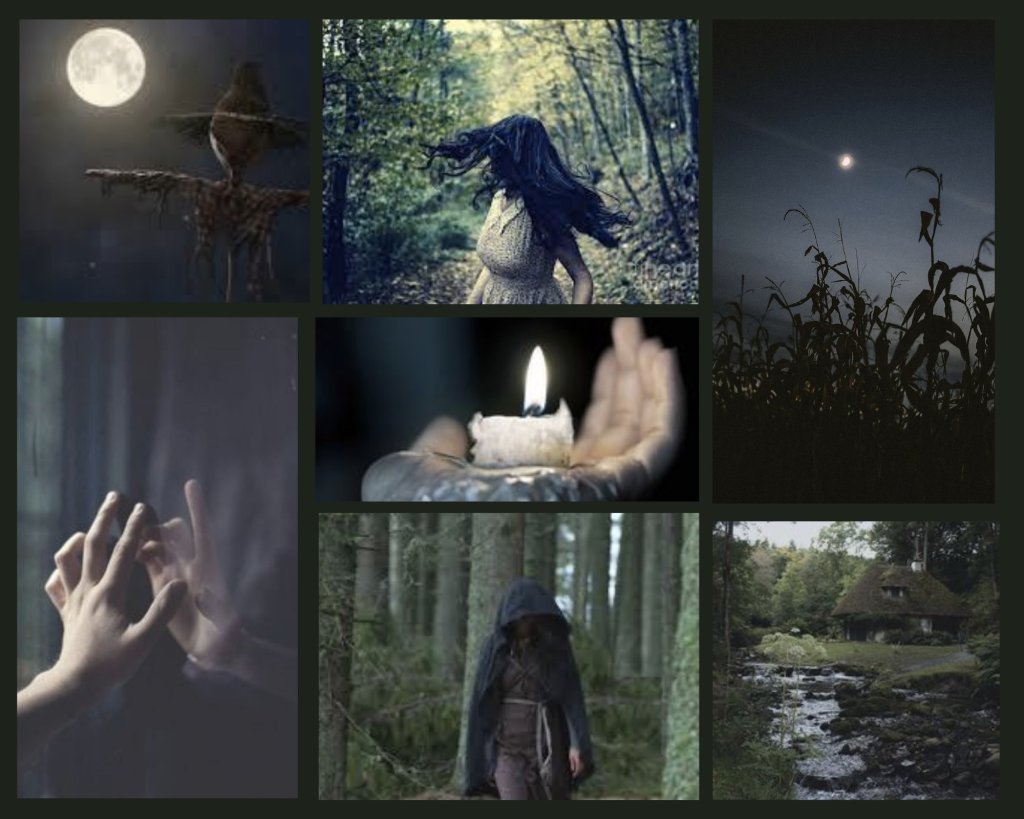
First, some stats. When I submitted to RevPit, my spooky middle grade fantasy was 38,000 words. I’m an underwriter. I started with picture books and am a huge fan of Susanna Leonard Hill and Vivian Kirkfield’s writing contests which have famously low word counts but require a full story arc (I cannot recommend them enough, no matter what genre you write in). My amazing RevPit Editor (Hannah VanVels Ausbury) had a couple of goals for my story and figured I would need to add 10,000 more words to hit these goals. This was terrifying to me but if Hannah believed I could do it, I would figure out a way to do it.
I love revising but I do not like feeling aimless in my revisions, and this has led to a serious love-hate relationship with revising. Most of the time, my brain races in tangents and spirals (or “brain tornados” as I like to call them). Things can get out of hand fast up there. I can think of a hundred different ways to write an opening but have difficulty figuring out which way is best for the story. I have revised stories into the grave many, many times. Having guidance was a game changer but learning the skills to revise in a focused way has given me the confidence to tackle revisions and tame brain tornadoes!
- My first “homework” from Hannah was to do a reverse outline. She shared Jeni Chappelle’s amazing blog post which explains it so much better than I ever could. Fellow RevPitter Melody Thio wrote a wonderful post about Reverse Outlines, too. I read my manuscript on my ancient kindle and wrote my reverse outline by hand so I would be forced to look at the big picture and couldn’t be side-tracked into editing and revising on the spot. For my brain, the most impactful part of this was asking myself how the consequence of each chapter/scene led to the next chapter/scene. Light bulb moments! I found areas to cut and plenty of places where I could add more.
- Next, my talented and amazing friend, Damara Allen, suggested I do a detailed scene summary. This was such a delicious job for my brain. So structured! So focused! I opened a new google doc and, at the top, completed the following sentences:
THIS IS A BOOK ABOUT:
BUT IT IS REALLY ABOUT (THEME):
WHAT DOES THE HERO WANT?
WHAT DOES THE HERO NEED?
WHAT IS THEIR MISBELIEF?
Then, still reading on my kindle, I typed up scene summaries for each scene in my book. There’s something about bullet points that really takes the emotionality out which was so helpful for my emotionally-laden story. Laying out the bare beats helped me better understand the pacing (both where it was and where it needed to be) and helped me find sparser areas that could fleshed out a bit more. - Finally, I printed my story, put it in a binder, bought a bunch of highlighters, and listed out the main themes in my book and the relationships or areas that I wanted to expand or clarify. For me this included my MC’s relationship with her father, the legend behind the vengeful scarecrow, the overall timeline, and a few other things. I used a different highlighter for each thing I was tracking and read my story through, highlighting relevant sections and listing them in tables, with page numbers and, sometimes exact quotes. This was really helpful for consistency.
Throughout each step, I kept notes on areas that could be expanded or areas where I just wanted *more* while reading. Going back and adding in 10,000 words suddenly felt way less daunting and, as it turns out, it was the exact number I needed to add to hit my goals (have I mentioned Hannah is kind of a genius?) I also trimmed 2K for a net gain of 8K, but still!!! My story was more balanced, relationships had more natural feeling arcs, and plot points were more consistent and had better flow.

Taking the time to do examine my story in such a thorough and focused way truly a joyful experience for me. Of course, having a professional edit letter to follow was a HUGE HELP! Knowing I won’t always have an edit letter handed to me on a silver platter, I did actually write myself an edit letter —both for the practice and to see if my thoughts would align with Hannah’s. And I am DELIGHTED to say they really did, especially on all the big things.
Another thing I found very helpful was following this same process with some of my favorite published books. While no edit letter needs to be written, doing reverse outlines, scene summaries, and tracking themes/relationships/things I struggle with in my own writing for a published book I admire helps me better understand how and why that book works as well as it does.
This process may not be the perfect fit for your brain, but I hope there are a few helpful nuggets. And, if you are ever seeking a professional edit, I cannot recommend Hannah VanVels Ausbury highly enough. She is thoughtful and encouraging and her feedback is so specific and actionable. Big picture, little details, she does it all. And she’s a genuinely wonderful and caring person as well. If this is in your budget, it’s an amazing gift to give yourself and your writing.
And, finally, the only piece of advice that is truly universal when it comes to writing: find your people. I cannot overstate the value of trusted critique partners. People who get you, get writing, and get your writing. People who will give you honest feedback, leave comments in all caps in the margins, and are willing to brainstorm with you. No matter where you are in your writing journey, writing friends and critique partners are more valuable than gold.

What does your revision process look like? Please share any of your favorite tips and tricks below!
 Nicole Loos Miller
This is so amazing, Nicole! Congratulations on being a #RevPit winner! You know I already loved your story, so I’m sure it’s even more wonderful. Thank you for sharing your revision process.
LikeLike
Nicole, this is amazing! I so admire the time you commit to writing. Thanks for presenting an inside look at the incredible amount of thought and love you pour into your work. I can’t wait to read this book. 💜
LikeLike